

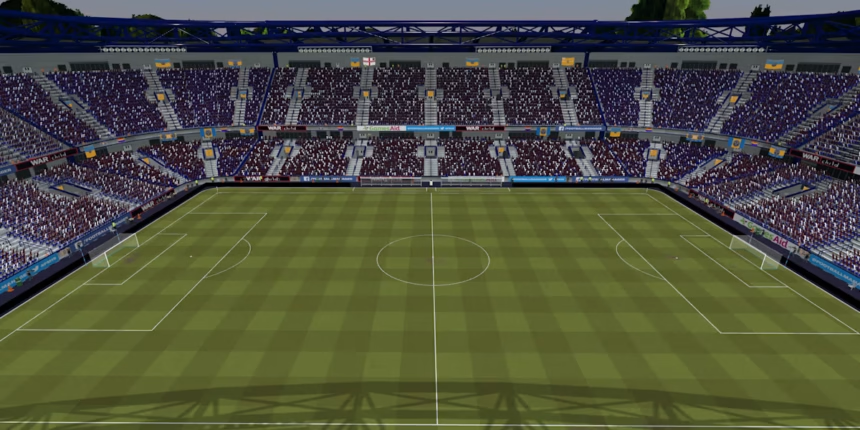
Football Manager 27 launches today, 10 November, with Sports Interactive making a series of major changes to the way players run a club, set up a team and react during matches.
The annual management simulation has always been built around long-term decisions. Signing a player is one part of the job, but the game asks players to manage training, morale, tactics, staff, finances and the expectations that build around every result.
This year’s release places greater emphasis on the connection between those areas. Sports Interactive has introduced Tactical Effectiveness, a new system designed to show how well a squad can carry out the style of football chosen by its manager.
Gaming releases now compete for attention across a crowded digital entertainment market that includes subscription services, social platforms and destinations such as BetAhoy casino. Football Manager 27 takes a different route, asking players to spend time learning the strengths and limitations of a squad rather than rushing through short matches.
Tactical Effectiveness changes how teams are built
The new Tactical Effectiveness system is one of the most important additions in Football Manager 27. It links recruitment, training and tactical planning more closely than before.
In earlier editions, it was possible to create an ambitious tactical system and then spend much of the season trying to make unsuitable players fit into it. That can still happen in real football, but the new system is intended to make the consequences clearer.
A squad built for a high defensive line, aggressive pressing and quick passing needs players with the right physical and technical qualities. Centre-backs need enough pace to defend space behind them. Midfielders need stamina and awareness. Forwards need to lead the press without leaving huge gaps between the lines.
If those pieces are missing, a manager can still use the tactic, but the team may struggle to perform it consistently. Tactical Effectiveness gives players a clearer indication of where the problems sit.
That should make recruitment more purposeful. Instead of buying the highest-rated player available, managers will need to think about how a signing changes the way their team works.
Tactical Tweaks give managers more influence during matches
Football Manager 27 also adds Tactical Tweaks, giving players more specific ways to react during a game.
A match can change quickly. An opponent may switch formation, begin pressing higher or target a full-back who is struggling. In previous games, players could make substitutions, alter their formation and adjust individual instructions, but the process could feel slow when trying to respond to a particular problem.
Tactical Tweaks are intended to make those in-game decisions more direct. A manager can identify a weakness, change the team’s approach and see how the players respond without rebuilding the entire tactic.
That should suit players who enjoy watching matches closely rather than simply simulating fixtures. A well-timed adjustment can change how a side attacks the box, protects a lead or deals with pressure in midfield.
The feature also gives matches a more managerial feel. Good football managers do not wait until half-time to respond to every issue. They make small changes as a game develops, then judge if those instructions are working.
The match engine has been updated
Sports Interactive has also worked on the match engine, with the aim of improving movement, skills and the overall flow of games.
Football Manager players spend a huge amount of time watching highlights. The match engine does not need to look exactly like a television broadcast, but it does need to make football decisions understandable.
If a tactic fails, players should be able to see why. Perhaps the full-backs are too high, the midfield is being bypassed or the striker is isolated. If a tactic works, the key patterns should be visible in the chances the team creates.
The updated engine is expected to make individual actions clearer. Better movement off the ball can help players understand how a winger creates space, how a midfielder supports a counterattack or why a defensive line is being pulled out of shape.
That clarity is important because Football Manager is at its best when a player can identify a problem, make a decision and see a logical result on the pitch.
The interface has been redesigned to reduce friction
A more intuitive interface is another major part of the new game. Sports Interactive has focused on navigation, full-screen views and personalisation, aiming to reduce the number of clicks needed to find useful information.
That might sound less exciting than a new match engine, but it can have a big effect on a management game. Players regularly move between scouting reports, training schedules, player conversations, tactical screens and inbox messages.
A cluttered interface can make even simple decisions feel like administration. A clearer layout lets players spend more time thinking about football and less time searching through menus.
The new system also supports scaling and adaptive layouts. That is particularly useful because Football Manager 27 is available across PC, Mac, console, mobile and handheld devices.
The experience will naturally differ between platforms, but the underlying goal is the same. Players should be able to find the information they need without losing the sense that they are in control of their club.
Transfer deadline day has more context
Transfer windows can define a season, especially for clubs trying to avoid relegation, challenge for promotion or rebuild after a difficult year.
Football Manager 27 includes updated coverage around transfer deadline day, cup draws and the news feed. These changes aim to make the world outside a player’s club feel more active.
That is useful because football management is never limited to one squad. A rival signing a new striker can change the balance of a title race. A difficult cup draw can affect squad rotation. A story about an unhappy player can force a decision before the transfer window closes.
More contextual news should help players feel the effect of those changes across a save. The best Football Manager stories often develop through unexpected events, such as a late bid for a key player or an underdog reaching a cup final.
A richer news feed can make those moments feel connected rather than appearing as isolated updates.
Training has a clearer purpose
Training is another area tied more closely to the game’s tactical direction. Managers can use new team focuses and updated options to prepare players for the style they are trying to develop.
A side planning to dominate possession may need different work from one preparing to defend deep and break quickly. Training should help shape that identity over time, especially when a club signs players for a new system or promotes younger footballers into the first team.
The game does not make instant tactical changes easy. A team accustomed to one style will need time to learn another, which reflects the challenge faced by real managers.
That gives long-term saves more depth. Taking over a club is not simply about choosing a formation on the first day. It is about deciding what sort of team the club should become and making several connected decisions to support that plan.
More than a new season update
Football Manager 27 is trying to make the relationship between tactics, recruitment and matchday decisions easier to understand. The game still has the depth expected by long-term players, but the updated interface should make that depth more accessible.
The Tactical Effectiveness system could be especially useful for players who want to understand why a team is struggling. It encourages a manager to look beyond a poor result and consider the suitability of the squad, the training programme and the tactic itself.
That is the appeal of Football Manager. A difficult save can be frustrating, but every setback creates another decision. The new game gives players more tools to make those decisions count.
Bathroom lighting choices that affect the view in the mirror