

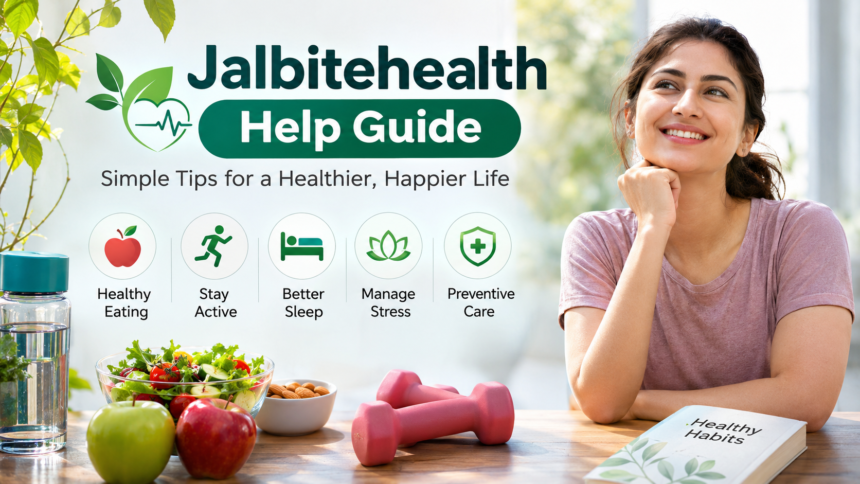
Taking care of your health can sometimes feel like another responsibility on an already busy day. Between work, family, and personal commitments, finding time to eat well, exercise, and get enough rest isn’t always easy. The good news is that improving your daily habits doesn’t require a complete lifestyle change.
The Jalbitehealth Help Guide focuses on making health and wellness information easier to understand. It introduces practical ways to improve nutrition, stay active, manage stress, and develop healthier routines without following complicated plans.
Whether you are beginning to pay more attention to your health or looking for ways to improve existing habits, understanding the basics can help you make informed decisions. This article explains what the Jalbitehealth Help Guide offers, how to use wellness information responsibly, and which everyday habits deserve your attention.
What Is the Jalbitehealth Help Guide?
The Jalbitehealth Help Guide refers to educational health and wellness content associated with the JalbiteHealth name. It covers common lifestyle topics such as nutrition, physical activity, mental well-being, sleep, healthy routines, and preventive care.
The purpose of these guides is to explain everyday health concerns in straightforward language. Rather than relying on complicated medical terms, they focus on information readers can understand and apply to ordinary situations.
JalbiteHealth.org describes its content as a resource for general wellness education. It is important to understand that this type of website is not the same as a medical clinic or professional healthcare service.
Readers may also come across similar names, including JalbiteHealth Guide, JalbiteHealth Help, and Help Guides JalbiteHealth. Several websites use related names, so checking the exact website address is important when looking for a particular article or resource.
How Does Jalbitehealth Help Readers?
One of the main purposes of the Jalbitehealth Help Guide is to make healthy living feel more manageable. Instead of expecting people to change everything immediately, its approach emphasizes practical information about everyday choices.
For example, someone who struggles with irregular meals might benefit from learning basic meal-planning habits. A person who spends most of the day sitting may find beginner-friendly physical activity advice more useful than an advanced workout program.
The guide also introduces readers to important aspects of wellness that are sometimes overlooked, including emotional health, rest, hydration, and maintaining a balanced routine.
However, the value of any health guide depends on the accuracy of its information. Readers should compare important recommendations with established medical sources, particularly when the topic involves symptoms, medicines, supplements, or existing health conditions.
Building Better Eating Habits
Balanced nutrition is an important part of maintaining good health. The body needs a variety of nutrients to support normal functioning, and eating different types of food can help provide them.
A practical starting point is to include vegetables, fruit, whole grains, and protein-rich foods in regular meals. Beans, lentils, eggs, fish, lean meat, and other suitable protein sources can all contribute to a varied diet.
The World Health Organization recommends that people older than 10 aim for at least 400 grams of fruit and vegetables daily. It also encourages limiting excess salt, free sugars, and unhealthy fats.
You don’t have to prepare expensive meals to eat better. Simple foods such as oatmeal, seasonal fruit, vegetables, lentils, and home-cooked meals can support a nutritious eating pattern.
Consistency matters more than following a fashionable diet. If you usually skip breakfast or depend heavily on packaged snacks, begin with one manageable improvement. Preparing food ahead of time or keeping healthier snacks available can make better choices easier during a busy week.
Making Physical Activity Easier
Regular movement supports heart health, muscle strength, mobility, and emotional well-being. Yet many people believe they need a gym membership or demanding workout routine to become physically active.
That isn’t necessary. Walking, cycling, dancing, swimming, gardening, and many everyday activities can help increase movement.
According to the U.S. Centers for Disease Control and Prevention, most adults should aim for at least 150 minutes of moderate-intensity physical activity each week, along with muscle-strengthening activities on two or more days.
If you are not currently active, begin with what feels manageable. A short walk after dinner, taking the stairs when appropriate, or spending a few minutes stretching can help you establish a regular habit.
Choose activities you enjoy rather than forcing yourself into a routine you dislike. Someone who enjoys walking outdoors may find that easier to maintain than attending exercise classes.
People with medical conditions, disabilities, or physical limitations should choose activities suited to their abilities and consult a healthcare professional when necessary.
Improving Sleep Quality
Sleep often receives less attention than food and exercise, even though it plays an important role in physical and mental health.
Good sleep supports memory, concentration, mood, and normal body functions. Poor sleep can leave you feeling tired during the day and make everyday responsibilities more difficult.
The CDC recommends that adults aged 18 to 60 get seven or more hours of sleep per night. Older adults may have slightly different recommended sleep ranges.
Developing a consistent sleep schedule can help. Try going to bed and waking up at similar times, even on weekends. Keeping the bedroom quiet, comfortable, and dark may also support better rest.
Another useful habit is reducing screen use before bedtime. If scrolling through your phone keeps you awake longer than planned, put it away earlier and replace that time with reading or another relaxing activity.
Occasional poor sleep is common. However, ongoing sleep difficulties, loud snoring, breathing interruptions during sleep, or significant daytime sleepiness deserve medical attention.
Staying Properly Hydrated
Water supports several important functions, including temperature regulation, waste removal, and normal joint function.
Although drinking enough water sounds simple, busy schedules can make it easy to forget. Some people regularly reach for sweetened drinks without considering how much added sugar they consume.
Keeping water nearby is one practical way to encourage regular hydration. You can carry a reusable bottle, drink water with meals, and choose plain water more frequently instead of sugary beverages.
Your fluid needs depend on factors such as age, activity, weather conditions, and health status. Someone exercising in hot weather may need more fluids than a person spending the day in a cool environment.
There is no single daily water target that suits everyone. People who have been advised to restrict fluids because of a medical condition should follow their healthcare professional’s instructions.
Managing Stress and Mental Wellness
Mental well-being deserves the same attention as physical health. Stress can affect sleep, concentration, relationships, and the ability to manage daily responsibilities.
A demanding job, financial worries, family responsibilities, or personal difficulties can sometimes leave people feeling overwhelmed. While occasional stress is part of life, ongoing distress should not be ignored.
The National Institute of Mental Health recommends approaches such as regular exercise, adequate sleep, relaxing activities, social connections, and setting realistic priorities.
Even a few quiet minutes can provide an opportunity to slow down. Listening to music, spending time outdoors, talking with someone you trust, or practicing gentle breathing exercises may help you manage everyday stress.
It’s also important to recognize when self-care is not enough. Persistent sadness, anxiety, loss of interest, or difficulty carrying out normal activities may require professional support.
Seeking help is a sensible health decision, just like consulting a doctor about a physical concern.
Why Preventive Care Matters
Healthy habits are important, but they cannot replace preventive healthcare.
Regular medical appointments can help identify certain health concerns before they become more serious. Depending on your age, medical history, and individual risk factors, a healthcare professional may recommend specific screenings, vaccinations, or health checks.
For example, blood pressure assessments, diabetes screening, and recommended cancer screenings can play important roles in preventive care for eligible individuals.
The right schedule is not identical for everyone. A person’s family history, existing conditions, age, and other factors can affect which services are appropriate.
Use general wellness articles to develop questions and understand basic health concepts. For personal medical decisions, rely on qualified healthcare professionals who can assess your situation.
How to Use the Jalbitehealth Help Guide
The most useful way to approach the Jalbitehealth Help Guide is to begin with a specific question rather than trying to change every part of your lifestyle at once.
If improving your sleep is your priority, look for information about bedtime routines, sleep duration, and habits that might be affecting your rest. If nutrition is your concern, focus on understanding balanced meals and making practical food choices.
After reading an article, identify one recommendation that is relevant to your situation. Consider whether it is realistic, affordable, supported by reliable evidence, and safe for you to follow.
For instance, if you learn about the benefits of regular walking, you might begin with a ten-minute walk several days a week. As your confidence and fitness improve, you can gradually increase your activity.
Avoid treating every online recommendation as a strict rule. A helpful guide should support informed decisions, not pressure readers into unrealistic expectations.
Is Jalbitehealth Health Advice Reliable?
Online health information can be useful, but not every website follows the same editorial or medical review standards.
JalbiteHealth presents itself as an educational wellness resource. Its published terms explain that its information is not intended to replace professional medical advice, diagnosis, or treatment.
That distinction matters. A general article about healthy eating may offer useful introductory information, but advice about treating a specific disease requires stronger evidence and individual medical guidance.
Before trusting any health website, check who wrote the content, whether the author has relevant qualifications, and whether the article identifies reliable sources. Publication and update dates are also worth reviewing.
MedlinePlus, a service of the U.S. National Library of Medicine, recommends evaluating a health website’s ownership, editorial process, references, and accuracy.
Be particularly careful with articles that promise immediate cures, recommend unproven treatments, or claim that one product can solve numerous unrelated health problems.
Jalbitehealth and JustALittleBite
Readers exploring JalbiteHealth may encounter phrases such as JalbiteHealth Guide by JustALittleBite or JalbiteHealth Advice From JustALittleBite.
JalbiteHealth.org uses these labels when describing some of its wellness and lifestyle content, particularly material related to food choices, daily routines, nutrition, and general well-being.
These names appear to describe related content themes or collections. They should not automatically be interpreted as evidence that a guide has been medically reviewed or written by a licensed healthcare professional.
When using an article associated with either name, check the author’s credentials, the exact website domain, and the evidence supporting its recommendations.
Creating a Simple Weekly Wellness Routine
A sustainable wellness routine should fit around your responsibilities, not make everyday life more difficult.
During the first few days, pay attention to your current habits. Notice when you eat, how much you move, whether you drink enough fluids, and how rested you feel when you wake up.
Choose one or two realistic improvements. You might prepare a balanced breakfast, take a short evening walk, or establish a more consistent bedtime.
As the week progresses, consider introducing another small change. For example, you could replace a sugary afternoon drink with water or set aside time to relax before sleeping.
At the end of the week, reflect on what worked. If a habit felt difficult to maintain, adjust it rather than abandoning your entire plan.
A routine that works on an ordinary busy Tuesday is often more useful than an ambitious plan you can only follow on weekends.
Common Wellness Mistakes to Avoid
When trying to improve health, people sometimes focus on dramatic changes instead of sustainable progress.
One common mistake is attempting several major lifestyle changes simultaneously. Starting an intense workout program, restricting food choices, and changing your sleep schedule all at once can be difficult to maintain.
Another mistake is relying too heavily on wellness trends or social media recommendations. Popular advice may sound convincing without being supported by reliable research.
It is also important not to ignore ongoing symptoms simply because you are eating better or exercising regularly. Lifestyle improvements are valuable, but they do not eliminate the need for appropriate medical care.
Lastly, avoid comparing your progress with someone else’s. Health needs, abilities, resources, and circumstances differ. A routine should be adapted to the individual rather than copied without consideration.
Who Can Benefit From This Guide?
The Jalbitehealth Help Guide may be useful for people who want introductory information about everyday wellness.
Beginners can use it to become familiar with nutrition, exercise, sleep, and self-care without needing advanced medical knowledge.
Busy professionals may find practical ideas for adding movement, planning meals, and improving work-life balance.
Families can explore general advice about healthier routines, shared meals, and encouraging age-appropriate physical activity.
Older adults may also benefit from learning about healthy habits, although exercise and nutrition recommendations sometimes need to be adapted to medical needs and physical abilities.
The important point is to treat general wellness guidance as educational support rather than personalized treatment.
Final Thoughts
The Jalbitehealth Help Guide introduces practical ideas for people who want to better understand their health and develop more balanced daily routines. Its main value lies in making familiar wellness topics approachable, from healthy eating and exercise to sleep, hydration, and stress management.
Improving your lifestyle doesn’t have to involve expensive products, complicated diets, or strict schedules. Thoughtful changes that suit your circumstances are often easier to maintain.
At the same time, responsible health decisions require reliable information. Check important medical claims against established sources and speak with a qualified healthcare professional when dealing with symptoms, treatments, or individual health concerns.
The goal is not to follow a perfect routine. It is to develop habits that support your health while leaving room for the realities of everyday life.
Frequently Asked Questions
1. What is the Jalbitehealth Help Guide?
The Jalbitehealth Help Guide refers to online educational content covering nutrition, fitness, mental wellness, sleep, and everyday lifestyle habits. It is intended to help readers understand general wellness topics and make informed choices.
2. Is the Jalbitehealth Help Guide suitable for beginners?
Yes. The topics are generally presented in straightforward language, making them accessible to people who are new to learning about healthy routines and basic wellness practices.
3. Is Jalbitehealth a medical website?
JalbiteHealth publishes health-related educational content, but it should not be confused with a medical clinic or professional healthcare service. Its general information does not replace medical consultation, diagnosis, or treatment.
4. What topics are covered in Jalbitehealth guides?
Common topics include healthy eating, exercise, sleep, stress management, hydration, weight management, self-care, and preventive wellness.
5. Can I follow Jalbitehealth advice every day?
General recommendations about healthy habits may be useful, provided they are supported by credible evidence and appropriate for your circumstances. Medical conditions, medications, and individual health needs can affect which recommendations are suitable.
6. What is Jalbitehealth Guide by JustALittleBite?
This is a label used in JalbiteHealth’s description of certain nutrition, food, and lifestyle resources. Readers should verify the author and sources of individual articles rather than assuming all content has the same credentials or medical review process.
7. How can I check whether a Jalbitehealth article is trustworthy?
Look for identifiable authors, relevant qualifications, publication dates, reliable references, and transparent website information. Compare important medical claims with established sources such as the CDC, WHO, NIH, or MedlinePlus.
8. Does the Jalbitehealth Help Guide offer personalized medical treatment?
It is presented as a general educational resource, not a personalized treatment service. Anyone needing diagnosis, medication advice, or care for a specific condition should consult a licensed healthcare professional.
9. How can I start following a healthier routine?
Begin with one realistic change, such as walking regularly, improving meal balance, or maintaining a consistent bedtime. Once that habit becomes easier to maintain, gradually add another.
10. Is the Jalbitehealth Help Guide useful for long-term wellness?
It can provide introductory ideas and encourage readers to think about healthier routines. Long-term results depend on appropriate habits, individual circumstances, accurate information, and access to professional healthcare when needed.