

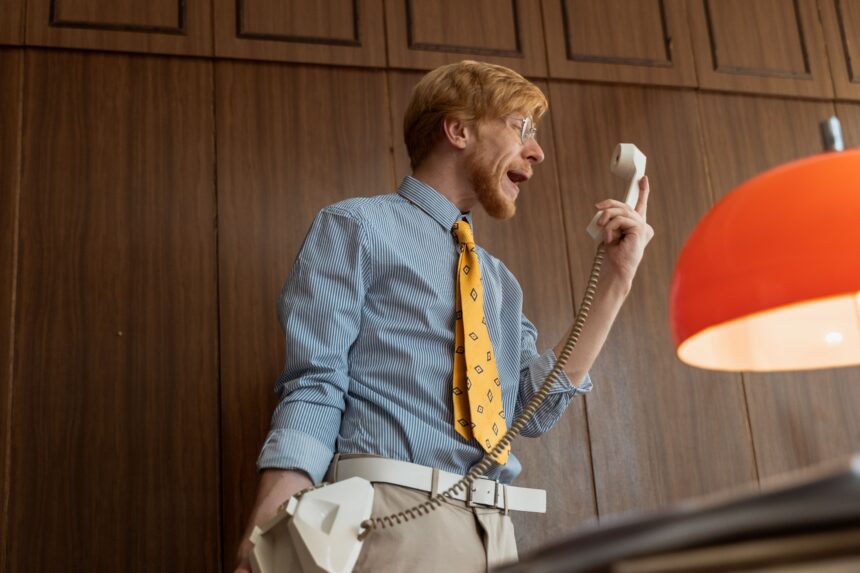
You can wear a tie today and receive two completely different reactions. One person will assume you have an interview. Another will see a deliberate fashion choice. The item has not changed much, but the clothes around it have. A tie beneath a dark business suit carries a different message from the same tie worn with a soft jacket and denim.
GQ’s coverage of neckties at the 2026 menswear shows illustrates that variety. Its street style gallery places ties in combinations extending beyond conventional office tailoring. That is evidence of how fashion show attendees are dressing, rather than proof that every British workplace has suddenly become more formal.
For someone who has spent years leaving ties in a drawer, the new interest can still be useful. It creates more ways to wear a suit already owned, and makes a small accessory a manageable place to experiment. You need not adopt the whole outfit in a street style photograph to borrow one idea.
Decide what the tie needs to do
A tie can meet a dress code, add colour or make an otherwise simple outfit feel more considered. Those jobs are related but not identical. At a formal wedding, it might be expected. At a restaurant dinner, it may be entirely your choice. In an office, the answer depends on that particular workplace.
Start with the occasion rather than the accessory. If you are attending an event with a stated dress code, follow it. A new fashion trend does not turn a lounge suit into black tie, or make a deliberately loose knot appropriate in every setting. When there is more freedom, you can adjust the tie’s texture and styling to suit the evening.
It also helps to know what bothers you about wearing one. A collar that feels tight is a shirt fitting problem. A knot that seems overwhelming may be a proportion problem. Neither requires abandoning ties altogether, although you should never feel obliged to wear one where it is unnecessary.
Match the tie to the suit you actually wear
Tie width looks different beside narrow and broad lapels. There is no measurement that works for everyone, but the elements should feel reasonably balanced when seen together. A very narrow tie can look slight against substantial lapels, while a large knot may crowd a small shirt collar.
A Checkered suit from TruClothing gives the tie a patterned background, so choose neckwear after settling on the jacket. Pick out one subdued colour from the check or try a plain tie beside it. With tweed three-piece tailoring, a restrained wool or textured tie can sit comfortably alongside the cloth. A smoother suit might suit silk, depending on the event and shirt.
Do not match every item by colour alone. Surface matters. A glossy tie can make an outfit look more formal, while a matte one may feel quieter. If the jacket has a prominent check, a plain tie helps avoid several competing patterns around the face.
Knitted ties offer a useful entry point for less formal outfits. Their texture and, often, squared ends distinguish them from traditional woven business ties. They can work with an unstructured jacket, an Oxford shirt or a suit worn for a relaxed social occasion, provided the combination suits the invitation.
A fine pattern can serve a similar purpose without being conspicuous. Try a small repeating motif with a plain shirt, or a subdued stripe that picks up one colour from the jacket. The outfit should still make sense when you step away from the mirror. Tiny details are less important than its overall balance.
For colder months, texture can connect the tie to knitwear or a heavier jacket. That does not mean every fabric must match. Some contrast is useful, particularly when a patterned suit already has a lot of visual detail. Keep the shirt clear enough to separate the tie from the jacket.
Get the shirt collar and knot working together
The knot needs enough space to sit naturally between the collar points. A large knot in a narrow opening can look squeezed, while a tiny knot beneath a wide spread collar may appear lost. Try the shirt, tie and jacket together before an occasion rather than assuming each works because it fits individually.
A four-in-hand is a practical knot to learn because it generally produces a relatively compact shape. Its size still depends on the tie’s thickness. A bulky cloth may create a substantial knot even with a simple method, so changing the tie can be more useful than repeatedly tightening it.
Check the finished length while standing normally. The tie should meet the waistband area without ending noticeably high or trailing far below it. With a waistcoat, it should remain tucked neatly beneath the garment. Avoid forcing the knot tighter to compensate for a shirt collar that is already too small.
Borrow the idea without copying the whole photograph
Fashion week images often include combinations designed to attract attention. A tie with a leather jacket might be interesting, but it will not necessarily fit your office or a relative’s wedding. Identify the detail you like, such as the darker shirt, textured neckwear or less rigid jacket, and test that detail in your own wardrobe.
A charcoal suit with a pale blue shirt and textured navy tie is a modest starting point. For a less formal dinner, the jacket might be worn with different trousers. The change can be small enough that you feel comfortable, while still making the clothes feel fresh.
Before buying, look at the ties you already have. An older plain tie may work perfectly once paired with a better-fitting shirt. Check for marks, pulled threads and creases, and store it according to its material rather than leaving it tightly knotted. Renewed interest in neckwear is most useful when it helps you wear good clothes again, rather than treating the contents of a drawer as suddenly obsolete.
Read also Why Fresh Game Releases Create an Operations Problem for Sweepstakes Casinos
Read also TablesProWorld.com: What It Is and What It Covers